
In the present digital age the internet is a main element of daily routine. From online banking and remote work to social media and entertainment, people see great use of online platforms. But this also brings out very serious issues related to privacy, data security, and online freedom. People see growth of cyber threats, data tracking, and geographical restrictions, which are very important to pay attention to as a user. To that end, one of the best tools for protection is a virtual private network, which is also known as a VPN.
What are VPNs, and how do they work?
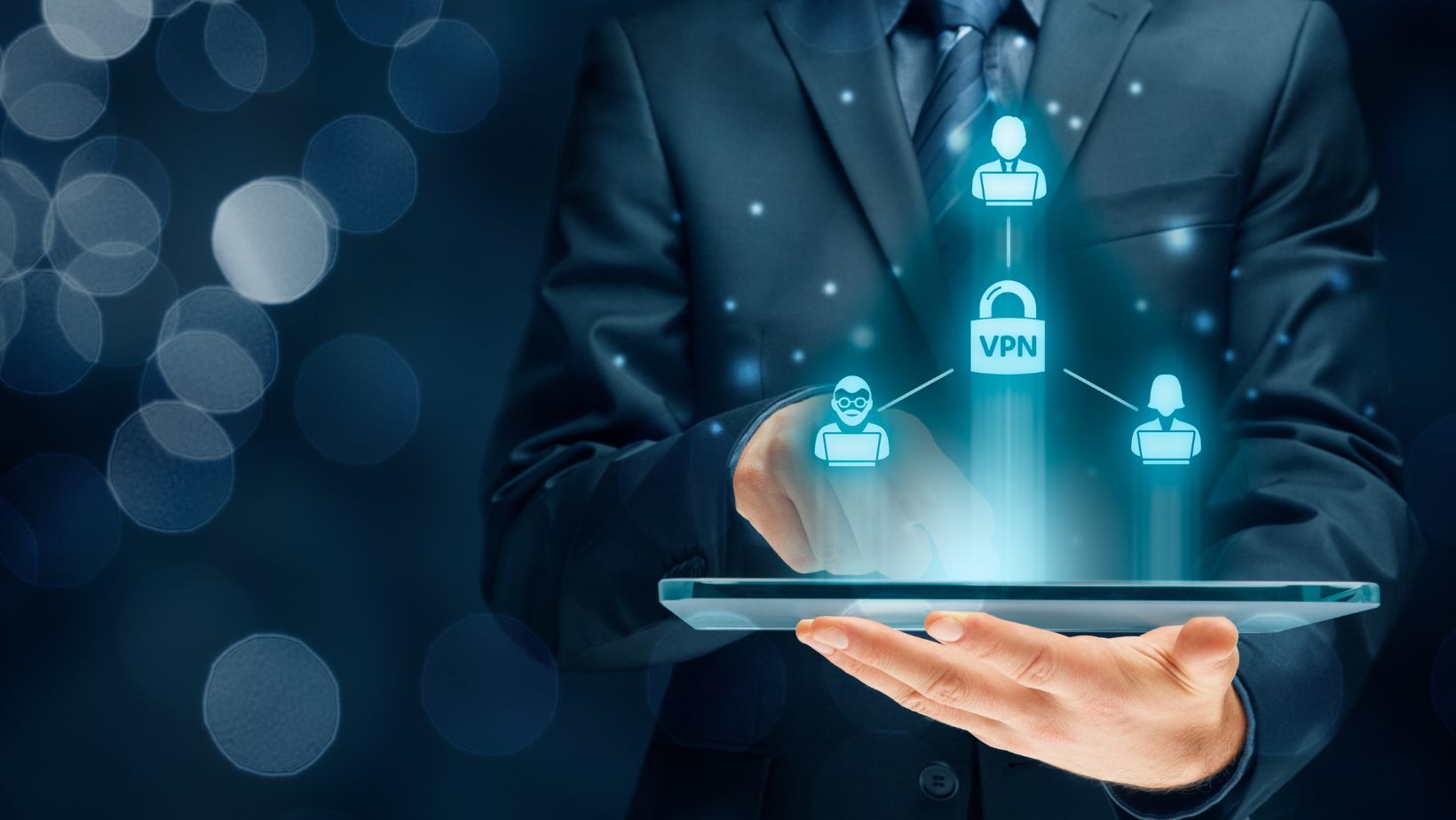
A VPN is a service that sets up a secure and encrypted connection between a device and the internet. What happens is instead of a person connecting directly to a website or online service, traffic goes via a remote server, which the VPN Company runs. Also, the real IP address is masked and replaced with that of the VPN server, which in turn makes it hard for third parties to determine the location or track online activity.
Encryption is a key element of what makes VPNs work. Data is transformed into a code that hackers, internet service providers (ISPs), and other eavesdroppers cannot read. Also, in the case of public Wi-Fi networks, which are often used without a second thought, they are typically unsecure and easy targets for cyberattacks.
Why Online Privacy Is a Growing Concern
Each time a person goes on the internet, data leaves a trail. Websites, advertisers, and also Internet service providers may collect info on browsing history and what a person prefers online. In some cases this data is stored, sold for, or used in targeted ads that the person may not be aware of.
Also there is an increase in cybercrime. Identity theft, phishing, and data breaches are reported to have large-scale financial and personal impacts. At the same time, if a person doesn’t have proper protection, sensitive info such as passwords, financial info, and personal messages may be had by them. VPNs play a role in that they add an extra layer of security between a person and the internet.
Benefits of Using a VPN
Through a VPN, which also goes beyond privacy protection:
- Enhanced Security:
A VPN, which is a virtual private network, secures internet traffic; this is very hard for hackers to get into. Also for people that use public Wi-Fi in cafes, airports, or hotels, this is very useful. - Protection from Tracking:
By masking an IP address, a VPN, which in turn stops websites and advertisers from identifying the true location and browsing activity. - Access to Restricted Content:
Some online content is by location. A VPN is used to connect via servers in other countries, which in turn enables users to access info, services, or media that may not be available to them. - Safe Remote Work:
With the growth of remote work, that of the virtual private network has become a requirement for employees that need secure entry to company networks and sensitive info from home or while traveling.
Choosing a Reliable VPN Service
All VPNs are not the same. It can be said that a good VPN service has strong encryption, a no-logs policy, fast connection speeds, and a large number of server locations. Also ease of use and that they play well with many devices is very important.
This is where services like VPNLY Into the picture is VPNLY, which has been designed with users’ privacy and security in mind. It puts forth a secure and user-friendly VPN experience. Advanced encryption technologies have been implemented to perform reliably so that users may at all times run their online privacy, which has been made simple for them.
VPNs and Everyday Internet Use
Many think of VPNs as something for technical experts and businesses, which is not true. Today it can be seen that modern VPN services are for the average person that wants easy and solid protection. As the internet is used to stream movies, shop online, talk to friends, or manage money, a VPN may be the answer for securing data.
Parents also see this as a benefit of using VPNs, which is that it adds to the protection of the family’s internet activity. Though VPNs may not be a full solution in place of parental control measures, they do play a role in creating a safer online environment by which families are less exposed to harmful websites and online threats.
Legal and Ethical Use of VPNs
In most places the use of a VPN is a legal activity. But users are asked to also check out what local laws are and the terms of service of the sites visited. VPNs are for privacy, which in turn is for protection of data and secure connections; they are not for breaking the law. Responsible use is that which protects info, which secures the connection, and which in turn preserves online freedom within the structure of the law.
Final Thoughts
As digital threats grow in number and type, it is out of the question to wait and see; it is a must that proactive steps are taken to protect online privacy. VPNs consume become a applied answer for people looking for security, anonymity, as well as full access to info. By learning how VPNs work and which reliable services like VPNLY to use, users report large reduction in online risks and see a better, more private internet experience.
In today’s world which is saturated with data collection and monitoring using a VPN is a step in the right direction for taking back control of digital life.