Why lightboxes moved from “nice-to-have” to a commercial advantage
Walk through any busy retail street, airport concourse, or trade show floor and you’ll notice a pattern: the best-performing brands don’t just show messages—they stage them. Lighting is central to that. Traditional printed signage still has a role, but it struggles in environments where attention is scarce and viewing distances vary.
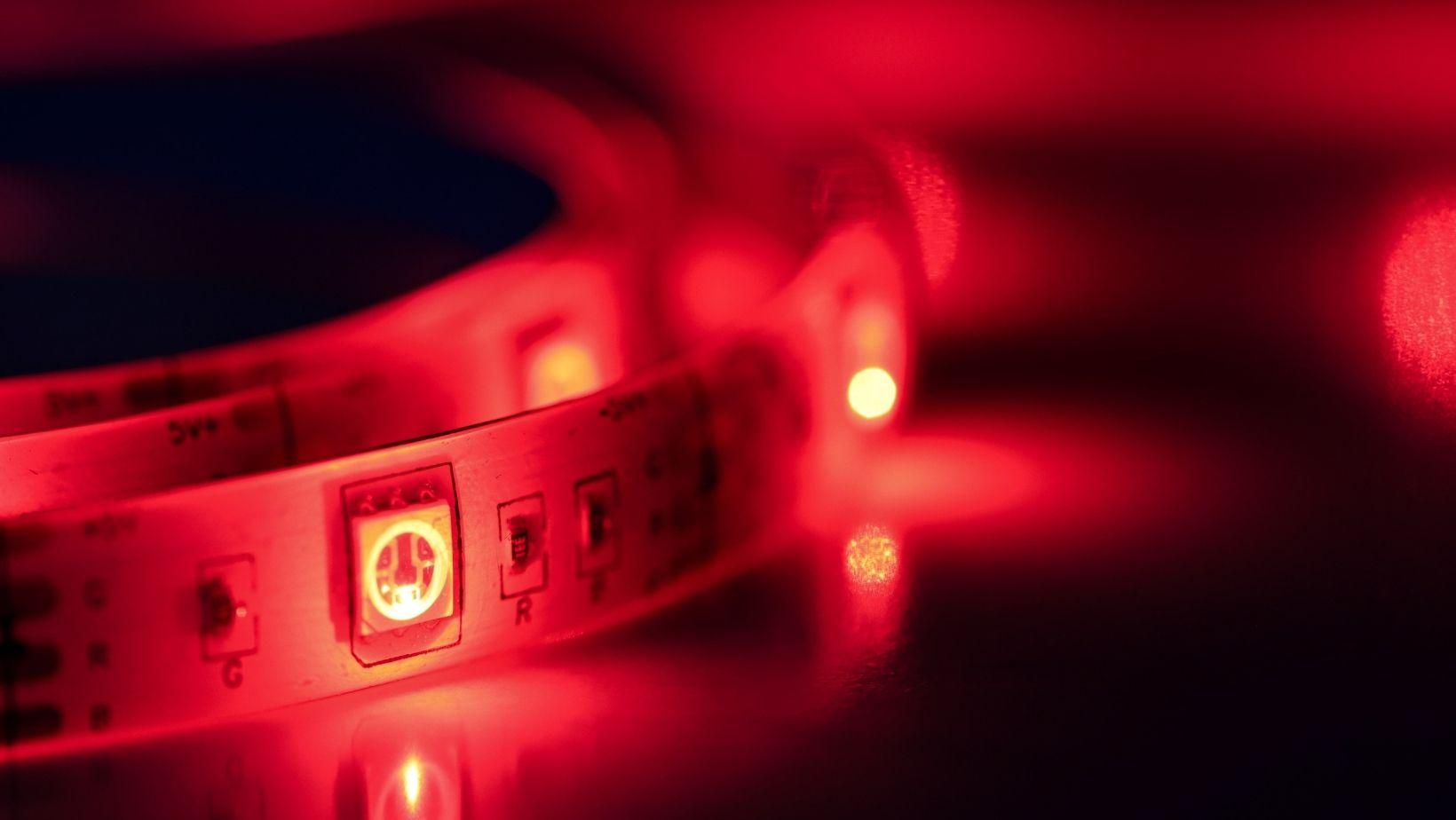
LED lightbox displays solve a very specific business problem: how to deliver consistent, high-quality brand presence that holds up under harsh ambient lighting, long opening hours, and rapid campaign turnover. The argument for upgrading isn’t aesthetic alone. It’s operational (less downtime), financial (lower energy and reprint waste), and strategic (faster response to promotions and changing inventory).
The numbers that tend to sway decision-makers
Energy and maintenance: the quiet ROI
From a pure cost perspective, LED technology’s value is well established. LEDs use significantly less energy than older lighting approaches, and they’re designed for long service life—often tens of thousands of hours before meaningful brightness degradation. If your displays run 10–12 hours a day (or 24/7 in transport hubs), that durability matters.
Maintenance is where hidden costs pile up: callouts, replacement parts, and the operational friction of dealing with failures in a customer-facing space. A single dark panel in a premium store can undermine perceived quality far more than you’d expect. LEDs reduce that risk, and modern lightboxes are generally easier to service when something does go wrong.
Better performance per square metre
Floor space and wall space are expensive, especially in retail and exhibitions. The question isn’t “is this display attractive?” but “does it earn its keep?” Lightboxes boost legibility and colour impact from a distance, which can increase the effective “working range” of a message. In practice, that means:
- Promotions are noticed sooner, not when someone is already at the shelf.
- Wayfinding and category messaging become clearer in crowded layouts.
- Brand assets look closer to how they were intended (accurate colour, fewer shadows, more uniform illumination).
If you’re evaluating suppliers or build options, it’s worth looking at examples of high-impact LED lightboxes for marketing not as “pretty displays,” but as a way to standardise visual quality across locations while keeping campaign execution practical.
Speed and agility: why marketing teams like LED lightboxes
Faster campaign swaps without “production drag”
One of the most underestimated benefits of lightbox systems is how they reduce the friction between a marketing decision and in-store execution. With fabric graphics and tool-less frames, a campaign refresh can often be done quickly by staff on site—without specialist installers for every minor change.
That changes planning behaviour. Brands become more willing to run shorter, sharper promotions, test creative variants, or localise messaging for specific stores. In other words, the display system supports modern marketing rhythms rather than forcing everything into quarterly cycles because changeovers are painful.
Consistency across locations (and why it matters)
Multi-site businesses live and die by consistency. A campaign that looks great in the flagship store but washed out in smaller branches creates brand dilution. LED lightboxes help by controlling illumination and reducing dependence on unpredictable ambient lighting. When your creative team signs off on an image, you’re more likely to see something close to that intent everywhere it appears.
Customer perception: the “premium signal” effect
Lighting is a trust cue, not just decoration
In physical environments, customers use visual signals to judge quality quickly. Uniform lighting, crisp imagery, and clean presentation are cues associated with competence and reliability. This is particularly important for:
- New product launches where customers need reassurance
- High-ticket items where perceived quality affects willingness to buy
- Service businesses (gyms, clinics, financial services) where trust is part of the purchase
A tired poster in a dim corner doesn’t just fail to persuade—it can subtly erode confidence. LED lightboxes, when used thoughtfully, help avoid that.
A note of caution: “brighter” isn’t always “better”
More luminance isn’t automatically more effective. Overly bright signage can feel harsh, especially in hospitality or premium retail. The best results come from balancing brightness with colour accuracy and placement. Think about how your display sits in the customer journey: Is it a beacon pulling people in from outside, or a supporting message in a calmer interior zone?
Sustainability: fewer reprints, less waste, better compliance stories
Sustainability claims are easy to overstate, so keep it grounded: LED lightboxes can reduce energy use compared with legacy lighting, and fabric graphics can be replaced without discarding rigid boards, which may reduce material waste over time.
For businesses increasingly asked to evidence ESG progress, that “over time” matters. A display approach that encourages re-skinning rather than rebuilding aligns better with circular thinking. It also supports procurement conversations—where buyers may now ask about lifespan, repairability, and end-of-life handling.
What to look for before you upgrade
A practical checklist (use this to avoid buyer’s remorse)
Most disappointments come from mismatched expectations: the display looks great in a showroom, then underperforms in the real environment. Before committing, pressure-test the basics:
- Uniformity: Ask about hotspotting and edge shadowing; request real-life photos, not just renders.
- Colour performance: Check how skin tones and brand colours reproduce; ask about diffusion and colour temperature options.
- Modularity: Can you reconfigure sizes or replace parts, or is it a single-use system?
- Changeover process: How long does a graphic swap take, and can staff do it safely?
- Power and placement: Where will cables run, and how will you keep the install clean and compliant?
- Total cost of ownership: Include energy, replacement graphics, and maintenance—not just unit price.
That list looks simple, but it’s where projects win or lose value.
Where LED lightboxes pay off most (and where they don’t)
LED lightboxes tend to deliver the strongest returns in high-traffic, high-competition settings: storefront windows, shopping centres, transit environments, and trade shows where attention is contested. They’re also effective in interiors where brand storytelling matters—think feature walls, hero product zones, and reception areas.
Where they may be less compelling: low-footfall spaces where messaging rarely changes, or environments where you can’t control glare and sightlines. In those cases, a well-designed non-illuminated sign may do the job with fewer complexities.
The real business case: control, consistency, and speed
Upgrading to LED lightbox displays is ultimately a decision about control. Control over how your brand appears under real-world lighting. Control over how quickly you can pivot messaging. Control over long-term operating costs and maintenance headaches.
If you’re still viewing lightboxes as a “visual merchandising upgrade,” you may be underestimating the opportunity. Treated as infrastructure—part of how you execute marketing in physical space—LED lightboxes can become one of the more practical, measurable improvements you make to the customer experience.