
Sports fans have always loved making predictions. From office pools during March Madness to bold Sunday morning NFL picks shared on social media, forecasting outcomes is part of the culture. The difference today is scale. Digital markets now give those predictions structure, visibility, and real-time feedback that traditional debates never could.
Instead of arguing over who will win, fans can see probability estimates move minute by minute. Prediction platforms transform opinion into numbers, reflecting collective belief across thousands of participants.
For US sports audiences raised on fantasy leagues and advanced analytics, this is a natural progression. Game day is no longer just about watching highlights or checking scores. It is about tracking forecasts as they evolve, turning every matchup into both a contest on the field and a contest of interpretation.
From Water Cooler Debates to Real-Money Forecasts
The instinct to forecast outcomes predates modern sports media. Fans once relied on instinct, loyalty, or gut feeling when predicting a winner. Office pools and bracket challenges formalized those debates, giving bragging rights to whoever read the field most accurately. Prediction platforms scale that impulse into structured digital markets.
Today’s platforms allow participants to trade contracts tied to specific game outcomes. Prices fluctuate as demand shifts, reflecting how the broader community evaluates each matchup. Instead of a static prediction made before kickoff, forecasts now evolve in response to new information.
Platforms such as FanDuel Predicts illustrate how mainstream this model has become. They signal that digital markets are moving beyond niche corners of the internet and into widely recognized brands. The modern sports fan is no longer content to make a claim and wait. They want to see how their conviction compares with the crowd in real time.
Why Prediction Markets Feel Different From Traditional Betting
Traditional sports betting centers on odds posted by a bookmaker. The numbers are set, adjusted, and presented as fixed prices. Prediction markets operate differently. They revolve around probability, with prices reflecting what participants collectively believe an outcome is worth at any given moment.
That distinction resonates with fans who grew up immersed in data. Advanced metrics, win probability charts, and analytics-driven commentary have become standard in sports broadcasts. Digital markets align naturally with that environment. They invite fans to interpret information, rather than read a line.
The sense of agency is central. Instead of reacting to bookmaker adjustments, participants see how their own analysis influences price movement. For many, this transforms engagement into an intellectual exercise.
Prediction platforms feel less like a transactional product and more like a forecasting exchange, where insight and timing shape how probabilities evolve.
The Game Day Experience: How Markets Move in Real Time
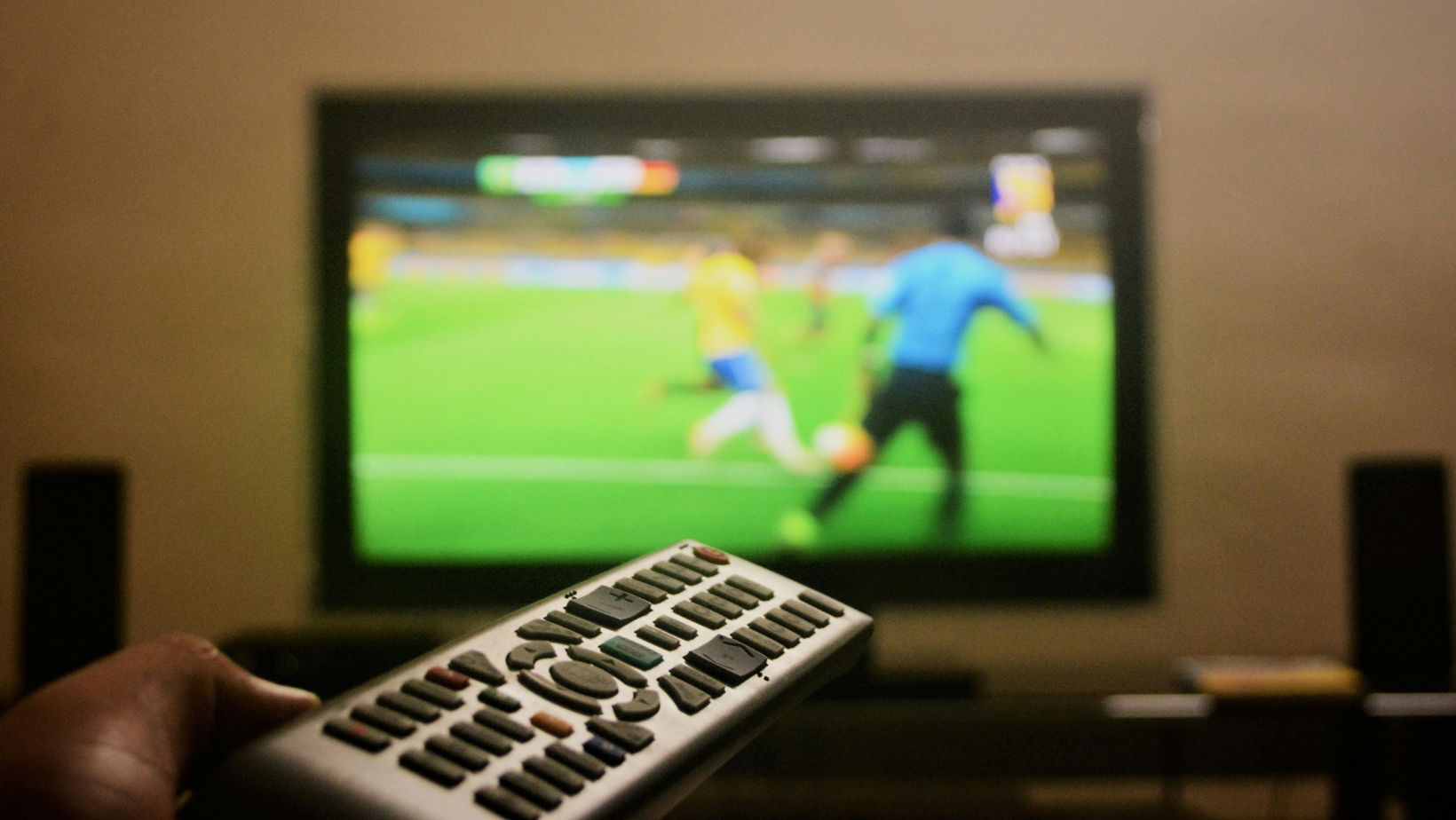
On game day, prediction markets come alive. Prices shift when starting lineups are announced, when a quarterback leaves with an injury, or when a team scores unexpectedly early. Every new development feeds into digital markets that update almost instantly.
Following these changes adds a second narrative layer to the broadcast. A team might trail by ten points yet see its win probability remain relatively steady. That discrepancy signals confidence in a comeback or skepticism about the opponent’s sustainability. Fans who track those numbers begin to interpret momentum differently.
For engaged viewers, watching probability curves rise and fall can be as compelling as the play-by-play itself. Each shift attracts deeper sports analysis. Is the market reacting to a temporary swing, or is it identifying a deeper strategic advantage? The experience becomes interactive, turning spectators into active interpreters of unfolding events.
The Wisdom of the Crowd vs. Expert Analyst
Prediction markets revive an old debate: Does aggregated crowd intelligence outperform individual experts? Sports provide a testing ground for this question. Media analysts often craft narratives around star players or recent headlines, yet market prices sometimes move in quieter directions.
When thousands of participants evaluate the same information, their collective judgment can yield a consensus probability that differs from that in televised commentary. Digital markets incorporate diverse perspectives, from statistical modelers to devoted fans tracking injury reports.
This tension creates a fascinating dynamic. Traditional analysts maintain influence through storytelling and insider access. Markets, meanwhile, produce a decentralized forecast based on shared data.
Neither system is infallible, but their coexistence forces each to adapt. Broadcasters increasingly reference implied probabilities alongside expert opinions, acknowledging that forecasting now belongs to both professionals and the crowd.
What Game Day Forecasting May Look Like in Five Years
Looking ahead, prediction platforms appear poised for deeper integration into sports coverage, making it the next evolution of fan engagement. Live broadcasts already display win probability graphics generated by league analytics departments. The next step may involve overlaying real-time digital market data alongside those visuals.
Sport-specific platforms could emerge, offering forecasting tools tailored to football, basketball, or baseball with customized metrics and dashboards. Partnerships between leagues and market operators may standardize data feeds, enhancing transparency and consistency.
As digital markets mature, they could become routine elements of pregame shows and halftime analysis. Broadcasters might compare crowd-based probabilities with internal projections, turning forecasting into a central storyline.
In that future, fans are not just watching athletes compete. They are participating in a parallel contest of insight, where collective expectations shape the narrative as much as the scoreboard.
When the Crowd Becomes Part of the Game
Prediction markets are redefining how fans experience game day. What began as informal debates has evolved into structured digital platforms that reflect collective belief in real time. For U.S. sports audiences accustomed to analytics and interactive media, the shift feels organic.
As digital markets grow, they add a layer of transparency to forecasting. Probability updates reveal how perception changes with every play. This dynamic invites fans to think critically about strategy, momentum, and context.
The future of sports coverage may increasingly center on these evolving forecasts. When the crowd’s aggregated insight appears alongside expert commentary, the viewing experience transforms. Game day becomes not only a showcase of athletic performance but also a shared exercise in interpretation, where prediction itself takes center stage.