How Social Media Trends Shape Gaming Communities is now a direct force in which games rise, how players behave, and what cultures form around play. In 2026, short clips, meme formats, and algorithmic boosts turn single moments into global habits overnight. This article explains why trends matter to both gamers and developers, how viral formats change play, what platform mechanics push visibility, and how influencers tie everything together. Readers will get precise examples, practical warnings, and links to deeper TopicSolutions resources to act on these shifts.
Key Takeaways
- Social media trends profoundly influence gaming communities by accelerating game discovery and shaping player behavior through viral clips and memes.
- Short-form videos like TikTok clips drive massive game installs and user engagement, making clipability a critical design focus for developers.
- Viral formats reshape gameplay by spotlighting specific mechanics, prompting developers to adapt matchmaking and balance accordingly.
- Memes, challenges, and modding forge shared rituals that unify players, while requiring careful moderation to prevent misuse.
- Algorithms on platforms like TikTok and YouTube Shorts amplify engaging content but can cause volatile player retention, underscoring the need for strong follow-through strategies.
- Influencers connect viral clips to live streams and community hubs like Discord, creating multi-stage engagement funnels that enhance retention and build lasting communities.
Why Social Media Trends Matter To Gamers And Developers
Fact: Roughly half of players now name social platforms as their primary game discovery channel. That shift means developers and players react faster to what surfaces in feeds. For gamers, trends reduce search friction: a 30‑second clip can replace hours of browsing and convince tens of thousands to try an indie title within days. For developers, trends affect retention and revenue, creator endorsements and clips can add hundreds of thousands of wishlists or installs in a single campaign.
Context and example: In late 2024 an indie studio saw a single TikTok clip produce 45,000 wishlists and a 12% bump in daily active users. The studio then prioritized short highlight recording tools in a patch to support clip sharing, a direct product decision driven by social traction. Practical warning: chasing trends without community fit can cause churn. One developer rushed a “viral mode” and saw a 7% drop in retention because the change broke core progression loops.
Where to learn more: writers and creators who want a broader foundation about gaming technology and digital how‑to content can consult a short site guide available at site overview.
How Viral Formats Reshape Play And Content
Insight: Viral formats don’t just promote games: they reshape how people play them. When a clip highlights a mechanic, that mechanic becomes a social objective.
Developers see concrete shifts. A game mechanic that appears in thousands of short clips becomes a meta: matchmaking and balance must adapt. In one example, a combat glitch turned into a global challenge, streamers replicated it, creators made tutorials, and ranked ladders filled with players exploiting the same trick. The community turned a bug into competitive play overnight.
Design guidance: teams should instrument features for clipability, replay systems, instant share buttons, and high‑contrast visual effects that read well at 30 fps. Measurement guidance: track referral lift from short‑form content, clip share rates, and retention of users acquired via creator campaigns. Emotional note: communities often feel ownership when they convert a moment into a trend: developers who acknowledge that ownership win long‑term goodwill.
Short-Form Video And Highlight Culture
Fact: Short‑form video dominates discovery and clip culture. Platforms like TikTok, YouTube Shorts, and Instagram Reels concentrate attention on high‑impact moments.
Concrete detail: gaming hashtags on short platforms have reached hundreds of billions of views, and a single 20‑second clip has delivered millions of impressions and tens of thousands of wishlist adds for indie releases. Consumption behavior changed: many viewers prefer 30–90 second highlights instead of full‑length streams. That preference shapes content creation, editors focus on punchlines, developers build moments that read clearly in a single frame.
Practical tip: studios should test three clip types, skill plays, comedic fails, and emotional narratives, and measure which drives installs. Warning: emphasizing highlights can hollow longer narrative experiences: narrative designers must preserve cadence so story beats still land for players who seek depth.
Memes, Challenges, And Modding Trends
Answer: Memes and challenges convert private play into shared rituals. A single meme format can create a weeklong coordinated playstyle across servers.
Example: a community challenge that started as a joke, players using kitchen‑utensil skins to complete a boss fight, became a global event. Creators made tutorial duets, modders released cosmetic packs, and the item’s parity in streams turned it into a quasi‑esport side event. Modding communities amplify this by packaging user content for easy adoption: a mod with 2,847 downloads can define a game’s look for a season.
Community mechanics: designers should support mod distribution and clear IP guidelines. Social moderators must watch for harassment when trends pivot: meme formats can weaponize images. For practical guidance on moderation and community safety, TopicSolutions hosts pieces that cover how gaming communities support people during crises and protect members, read the overview on community support.
Platforms, Algorithms, And Community Visibility
Bottom line: Algorithms decide which communities grow fast and which remain niche. Platforms promote short, engaging clips: that mechanical preference lifts some games and buries others.
Specifics: TikTok and Shorts use engagement loops, rapid feedback, repeat viewing, and high watch‑through rates, to amplify clips. Games that create 10–15 second spectacles get disproportionate reach. But discovery has a cost: algorithmic boosts can be volatile. A title can spike to 200,000 installs and then lose 60% of daily players within two weeks if follow‑through systems are weak.
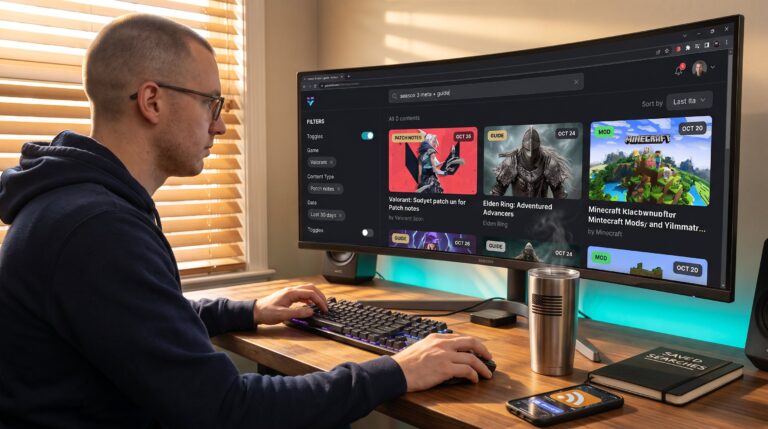
Community hubs: Discord and Reddit remain critical for sustained engagement. Algorithms drive discovery: forums and chat servers convert discovery into social bonds. Developers should measure not just installs but active community size on owned channels. For teams building a content pipeline, a practical how‑to index on TopicSolutions explains where to find and publish timely gaming articles: see the brief guide on finding the latest posts.
Cross-Platform Discovery And Influencer Dynamics
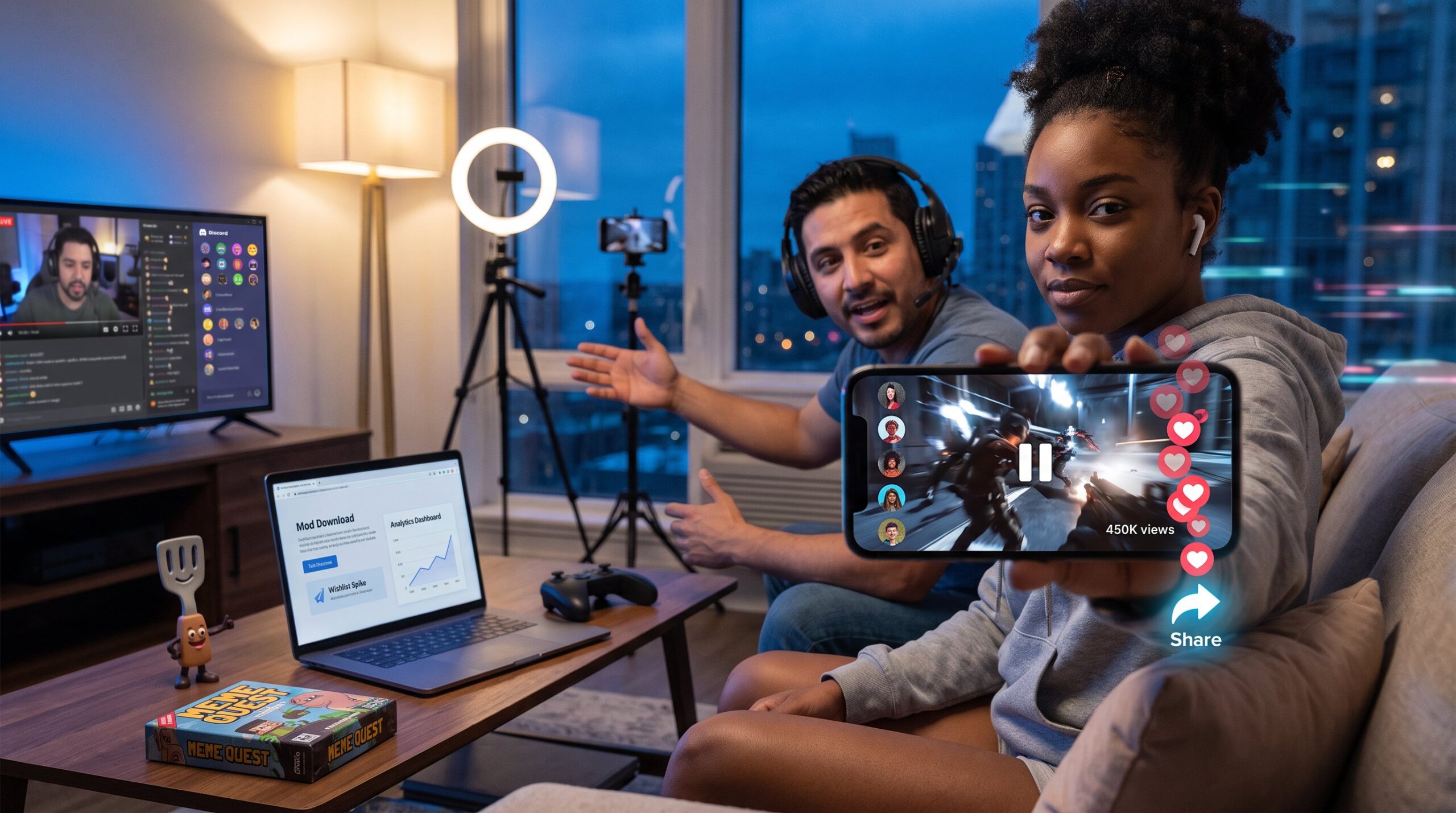
Direct insight: Influencers connect discovery to retention by working across short video, longform streams, and private servers. They thread attention from a viral clip to a live session and then to a Discord community.
Data point: coordinated creator campaigns have produced hundreds of thousands of organic installs for single titles when creators post short clips, host streams, and then seed discussion in community servers. The sequence matters: a 30‑second viral clip creates curiosity: a 2‑hour stream converts interest into onboarding: a Discord server sustains play through social bonds.
Practical strategy: studios should build multi‑stage creator briefs, clip hooks, talking points for streams, and starter content for servers. For teams new to this, a beginner’s primer on social gaming covers tactics that work for small teams: consult the site’s novice guide at social gaming intro.
Conclusion
Insightful takeaway: In 2026, social media trends are not peripheral marketing tools: they are structural forces that change game design, community dynamics, and commercial outcomes. Short‑form video, memes, and platform algorithms create fast feedback loops that reward clipability and social rituals. Developers and community leads who instrument for sharing, support modding, and map influencer funnels will convert viral attention into lasting communities. Readers can use the linked TopicSolutions resources to build playbooks, avoid common moderation pitfalls, and plan creator campaigns that respect community ownership.