
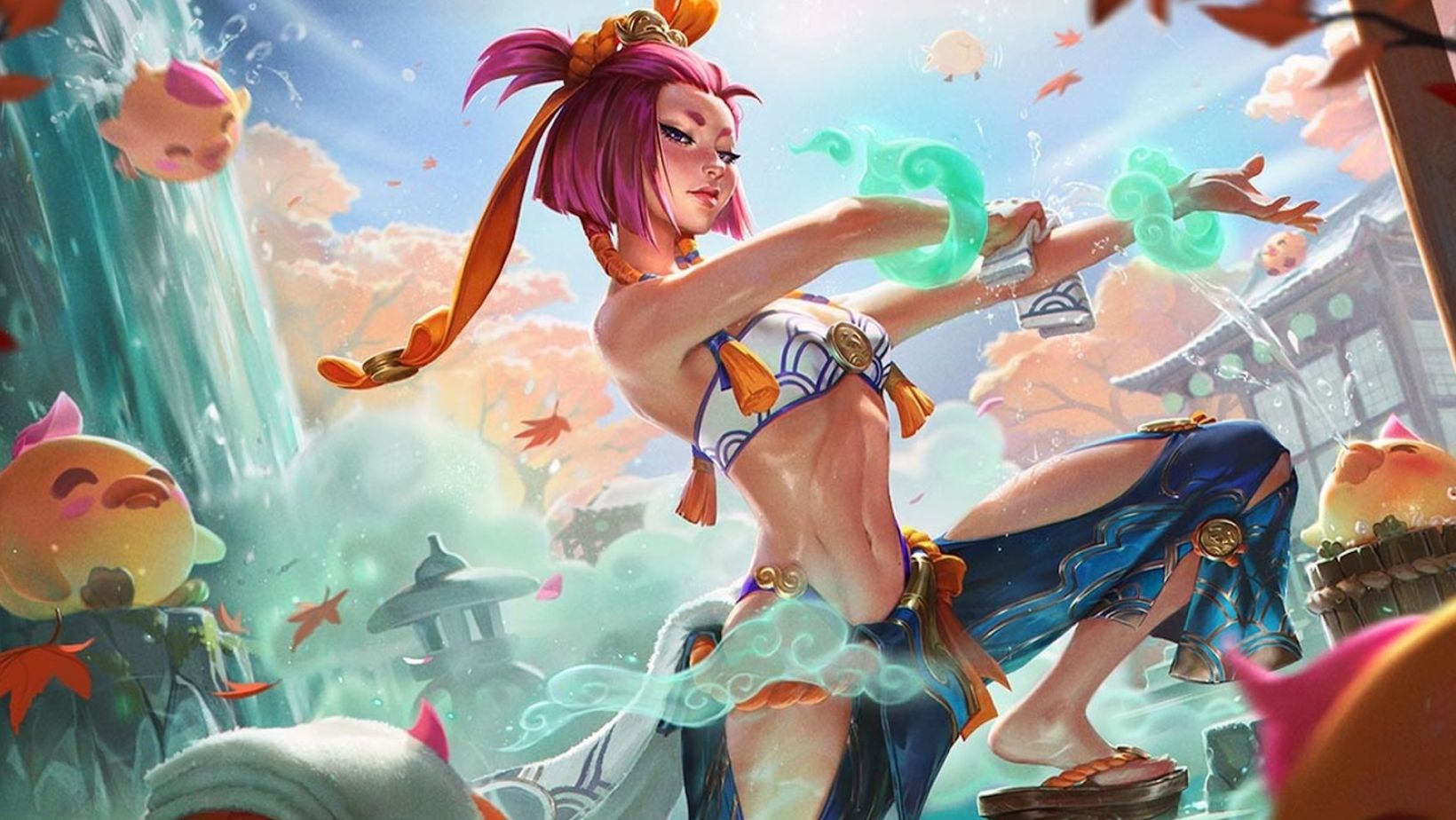
League of Legends has maintained its position as one of the world’s most popular games for over a decade. But what is it about this MOBA that keeps millions of players coming back, season after season, match after match? The answer lies in a fascinating blend of psychology, game design, and community dynamics that create one of the most compelling gaming experiences ever crafted.
The Power of “One More Game”
We’ve all been there. It’s late at night, you tell yourself this is the last game, and then suddenly it’s 3 AM and you’ve played five more matches. This phenomenon isn’t accidental—it’s the result of carefully designed reward systems that tap into fundamental aspects of human psychology.
League operates on what psychologists call a “variable ratio reinforcement schedule.” You never know if your next game will be the one where everything clicks, where you pop off and carry your team to victory, or where you finally achieve that promotion to the next division. This unpredictability is the same mechanism that makes slot machines so addictive, but in League, it’s combined with genuine skill development and social interaction.
The game’s matchmaking system is designed to keep you hovering around a 50% win rate, which means you’re constantly experiencing wins and losses in unpredictable patterns. Win too much, and you’ll face tougher opponents. Lose too much, and you’ll be matched with players closer to your current performance level. This keeps the game perpetually challenging but never impossible.
Progression Systems That Hook You
From the moment you start playing League, you’re progressing on multiple fronts simultaneously. Your summoner level increases, you earn Blue Essence to unlock new champions, you work toward the next rank tier, you improve your mastery on individual champions, and you complete missions for exclusive rewards.
Many LoL accounts reach level 30 and beyond while players are still discovering new champions and strategies. This multi-layered progression ensures there’s always something to work toward, even if you’re having a rough day in ranked. Lost three games in a row? At least you’re making progress toward that champion mastery level 7, or completing your weekly missions.
The seasonal structure adds another layer of psychological engagement. Every year brings a soft reset of your ranked position, giving you a fresh start while preserving your past achievements. It’s a brilliant system that combines the motivation of new beginnings with the satisfaction of accumulated progress.
The Mastery Curve: Always Learning, Never Mastering
One of League’s greatest psychological hooks is its essentially infinite skill ceiling. Professional players who have dedicated their lives to the game are still learning new strategies, refining mechanics, and discovering innovative approaches to champions they’ve played thousands of times.
This creates what psychologists call a “flow state”—that feeling of being completely absorbed in an activity that’s challenging but achievable. League consistently puts you in situations where you’re stretched just beyond your current skill level, encouraging growth without overwhelming frustration.
The game’s complexity means that even experienced LoL accounts have room for improvement. Maybe you’ve mastered laning phase but need work on mid-game rotations. Perhaps your mechanics are solid but your macro understanding needs development. There’s always another dimension of gameplay to explore and improve.
Social Dynamics and Tribalism
Humans are inherently social creatures, and League taps into this in multiple ways. Playing with friends transforms the experience from a solitary activity into a shared adventure. The coordination required for successful team play creates bonding experiences, and shared victories feel sweeter when celebrated together.
Even when playing solo, you’re part of a larger community. The champion you main becomes part of your identity. You join subreddits, watch streamers who play your favorite roles, and engage in friendly (or not-so-friendly) debates about the meta. This sense of belonging to something larger than yourself is psychologically powerful.
The game also creates opportunities for what psychologists call “social comparison.” Your rank becomes a visible marker of skill that you can compare with friends and the broader community. While this can sometimes lead to unhealthy competition, it also provides motivation and clear goals to strive toward.
The Narrative We Tell Ourselves
Every League player has a narrative about their gameplay. “I’m a support main who enables my team.” “I’m a mechanical god who just needs better teammates.” “I’m climbing slowly but surely.” These self-narratives become part of our identity and keep us invested in proving them true.
The game provides constant feedback that either reinforces or challenges these narratives. A great game confirms your belief that you’re improving. A loss might be attributed to bad luck, poor teammates, or a specific mistake you can work on fixing. Either way, the game gives you reasons to keep playing—to prove yourself, improve your skills, or reclaim a rank you believe you deserve.
The Sunk Cost Fallacy (And Why It’s Not Entirely Bad)
Let’s be honest: many of us keep playing League partly because we’ve already invested so much time and sometimes money into it. This is the sunk cost fallacy at work—the tendency to continue investing in something because we’ve already invested so much.

But in League’s case, this isn’t entirely irrational. The skills you’ve developed, the game knowledge you’ve accumulated, and the champions you’ve unlocked all represent genuine value that makes the game more enjoyable. A new player starting from scratch faces a much steeper learning curve than someone with an established account and understanding of the game.
The Double-Edged Sword of Ranked Anxiety
For many players, ranked mode creates a unique psychological dynamic. The stakes feel higher, wins feel better, and losses sting more. This emotional intensity is part of what makes League so engaging, but it can also lead to ranked anxiety—that hesitation before queuing up because you’re worried about losing LP.
Interestingly, this anxiety itself can become a hook. Overcoming it and playing anyway provides a sense of accomplishment beyond just winning games. And when you do win that nerve-wracking promotional game, the relief and satisfaction are amplified by the anxiety you overcame.
Finding Balance in the Rift
Understanding why League is so psychologically engaging can help us develop a healthier relationship with the game. Recognize when you’re playing because you’re genuinely enjoying yourself versus when you’re chasing losses or playing out of habit. Set boundaries around playtime, take breaks when you’re tilted, and remember that your rank doesn’t define your worth as a person.
The game’s psychological hooks aren’t inherently bad—they’re part of what makes League so engaging and rewarding when played mindfully. The key is being aware of these mechanisms so you can enjoy the game on your terms rather than feeling controlled by it.
Conclusion
League of Legends has endured because it’s a masterclass in psychological game design. From variable rewards to multi-layered progression systems, from social dynamics to infinite skill ceilings, the game taps into fundamental aspects of human psychology that keep us engaged, challenged, and coming back for more.
Whether you’re a casual player or someone grinding ranked on multiple LoL accounts, understanding these psychological mechanisms can help you appreciate why the game has such a hold on millions of players worldwide. And perhaps more importantly, it can help you develop a healthier, more intentional relationship with the game we all love—and sometimes love to hate.
So the next time you find yourself thinking “just one more game” at midnight, you’ll know exactly why—and you can make an informed decision about whether to queue up or finally get some sleep.