
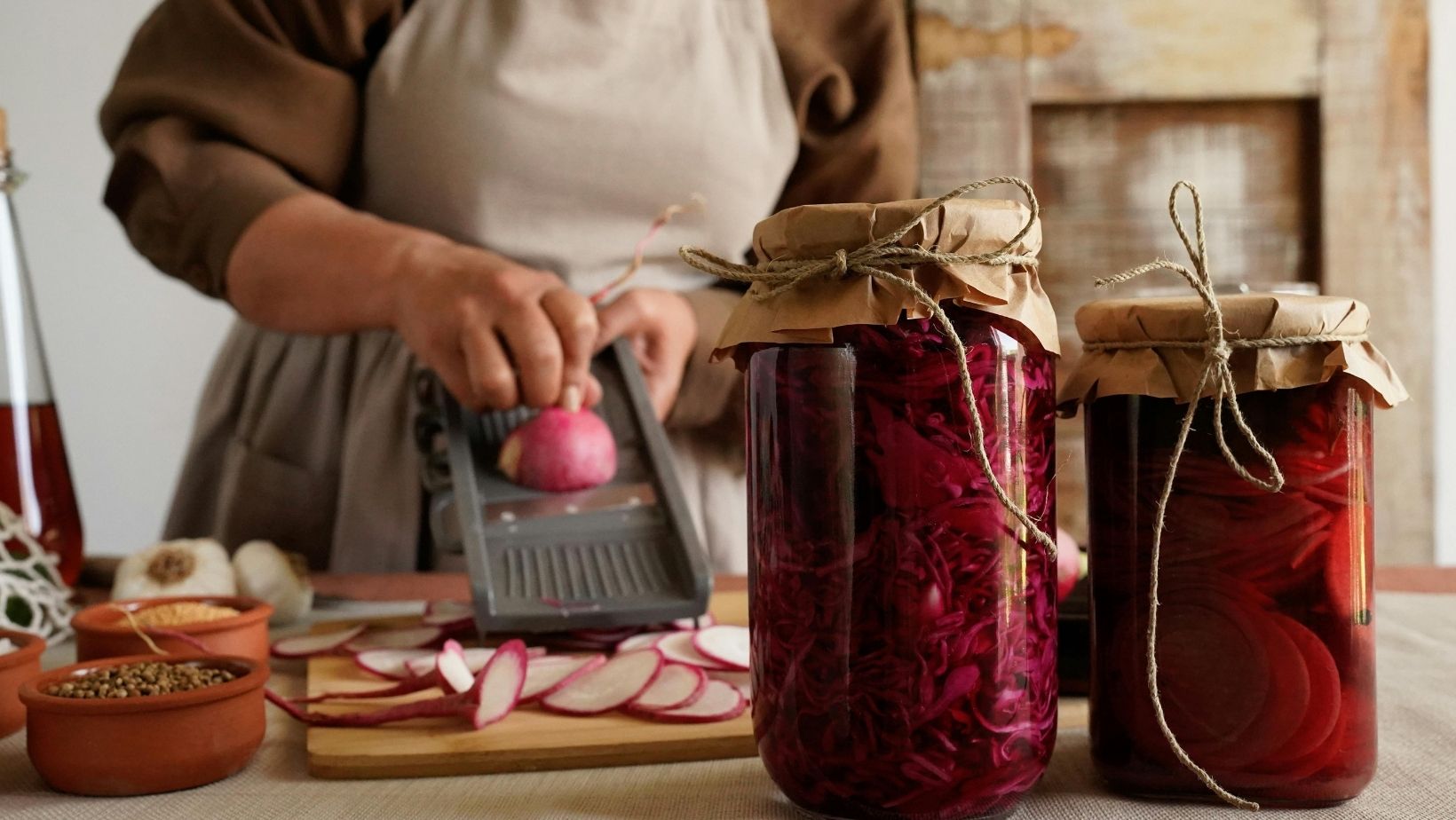
It started with chips. Dill pickle chips have been a Canadian grocery staple for decades — a flavour so embedded in the national palate that many Canadians are genuinely surprised to learn it’s not universal. But somewhere around 2024, pickle flavour stopped being a chip thing and became an everything thing. Pickle ketchup. Pickle pizza. Pickle-flavoured candy. Pickle beer. Pickle-infused soft drinks. PepsiCo launched pickle-flavoured beverages. Heinz rolled out pickle ketchup. Vlasic turned its brand into a snack line with Pickle Balls corn puffs. Pringles and Goldfish released pickle variants. And across social media, “pickle everything” became a content genre unto itself.
The question isn’t whether the trend is real — it obviously is. The question is why a fermented cucumber became one of the defining flavour movements of the decade, and whether there’s actual substance behind the hype.
The Numbers Behind the Brine
The pickle product market tells a story of steady growth accelerated by a sudden cultural moment. The global pickles and pickle products market was valued at approximately $14.4 billion in 2024, growing at a compound annual growth rate of roughly 3.4%. But the real action is in the flavour extensions — the products that aren’t pickles themselves but use pickle as a flavour profile.
Innova Market Insights reported in April 2025 that 63% of consumers globally expressed positive sentiment toward pickle flavour across social media and online platforms. Google Trends data for 2025 confirmed pickle-flavoured foods as a breakout search category. The IFT’s 2026 flavour outlook identified “spicy dill pickle” as the newest iteration of a broader vinegar-forward trend that’s been building for years.
| Product category | Notable pickle launches (2024–2026) |
| Snacks | Pringles Dill Pickle, Goldfish Dill Pickle, Vlasic Pickle Balls (Original + Spicy) |
| Condiments | Heinz Pickle Ketchup, Kraft Heinz Pickle Mayo (Canada, August 2025) |
| Beverages | PepsiCo “Drips by Pepsi” pickle-infused drinks, pickle brine wellness shots |
| Fast food | Hungry Howie’s Pickle Bacon Ranch Pizza, various chain pickle-themed LTOs |
| Confectionery | Pickle-flavoured candy and gummies across specialty retailers |
| Alcohol | Pickle beer, pickleback cocktails gaining mainstream menu presence |
What’s notable about that table isn’t just the breadth — it’s the speed. Three years ago, most of these products didn’t exist. The pipeline from niche internet meme to mass-market product has compressed dramatically.
Why Pickle, Why Now
Several forces converged to create the conditions for pickle domination, and understanding them explains why this isn’t just a fad.
The flavour profile itself hits multiple trend lines simultaneously. Pickle is tangy, salty, and acidic — a combination that aligns with the broader “sour and fermented” movement identified by flavour developers like NuSpice and Griffith Foods. It also intersects with the “swicy” (sweet-spicy) trend when combined with heat, as in the spicy dill variants now appearing everywhere. Consumers are gravitating toward bold, complex flavour profiles that deliver immediate sensory impact, and pickle checks every box.
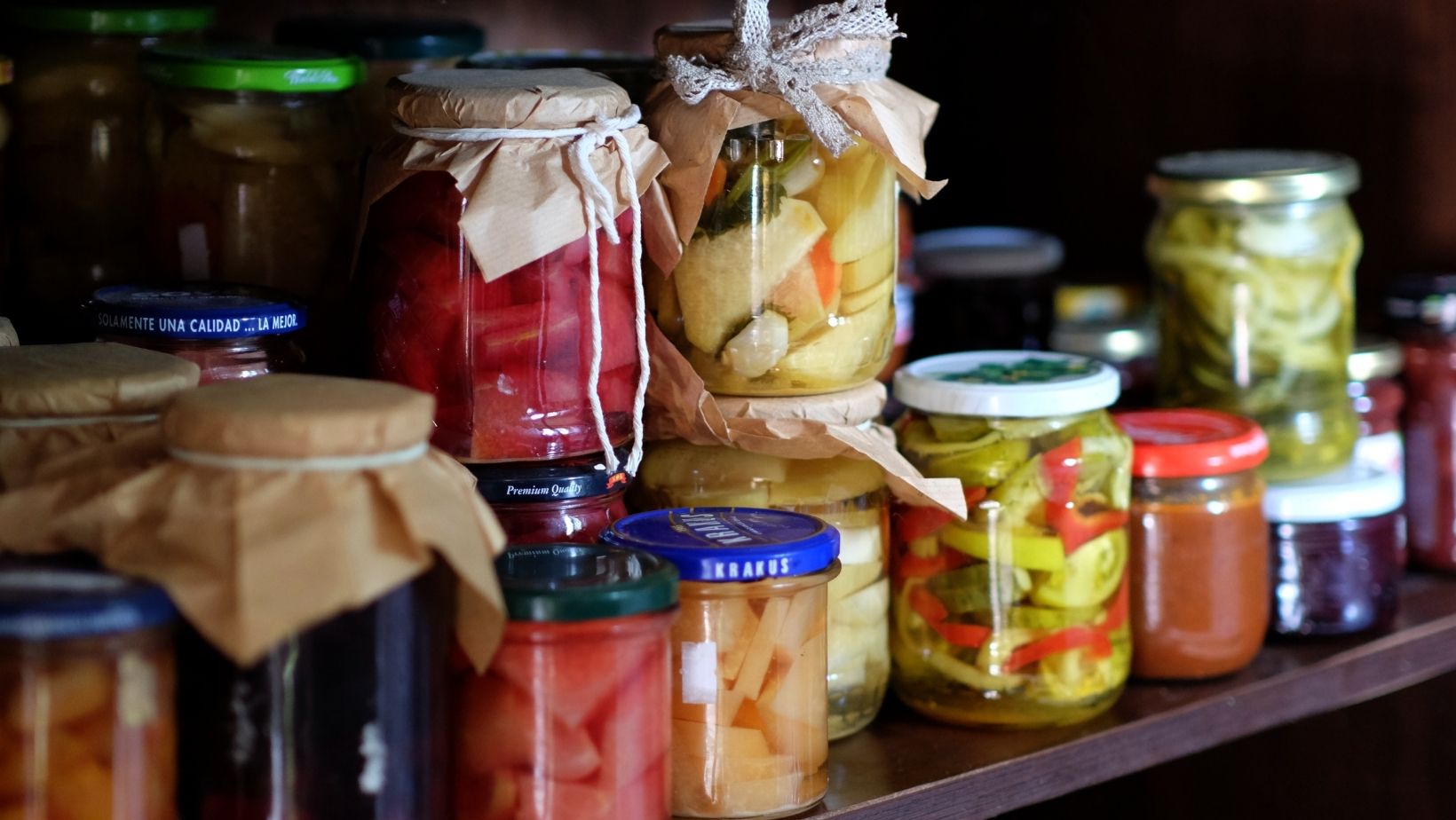
There’s also a generational component. Gen Z and younger Millennials are driving demand for adventurous, mashup-style flavours — the same cohort that turned Dubai chocolate into a global phenomenon. For this demographic, pickle flavour carries both nostalgia (childhood association with dill pickles at barbecues) and novelty (pickle in unexpected contexts like ice cream or cocktails). That combination of comfort and surprise is exactly what food marketers optimize for.
The wellness angle, while secondary, adds another layer. Pickle brine has been adopted by fitness communities for its electrolyte content, and the broader vinegar trend — Whole Foods named vinegar’s modern renaissance a top 2026 trend — gives pickle flavour a health-adjacent credibility. Some content creators promote drinking pickle juice before meals to stabilize blood sugar, a claim that’s more anecdotal than clinical, but that’s fuelled consumer interest regardless.
The Attention Economy Connection
There’s a less obvious driver worth examining: the role of entertainment and novelty-seeking in modern consumer behaviour. We live in an economy where attention is the scarce resource, and products that generate conversation have an inherent advantage over those that simply taste good. Pickle-flavoured ketchup doesn’t just sit on a shelf — it gets photographed, shared, debated, and turned into content. That social media amplification is worth more to a brand than traditional advertising.
This dynamic isn’t unique to food. Any industry that depends on consumer attention — from streaming to online entertainment — operates on the same principle: novelty drives engagement. The reason a new bonus at Spincity casino generates buzz among online gaming communities follows the same logic as pickle ketchup generating buzz among food communities. Both rely on the surprise factor — something familiar reimagined in an unexpected way — to cut through the noise of an oversaturated market.
What’s Actually Staying and What’s Fading
Not everything pickle-flavoured will survive the trend cycle. The products most likely to endure share several characteristics:
- They solve a real flavour gap. Pickle ketchup works because it adds acidity and complexity to a condiment that was already ubiquitous. It’s not a gimmick — it’s an improvement for people who genuinely prefer tangy profiles.
- They align with existing consumption habits. Pickle-flavoured chips succeed because flavoured chips are already a massive category. The flavour is new; the format is familiar.
- They scale beyond novelty. A pickle-flavoured candy might get purchased once for the experience, but a pickle seasoning blend that improves weeknight cooking has repeat-purchase potential.
- They connect to broader food movements. Products tied to fermentation, gut health, or vinegar-forward cooking have structural support from the wellness trend, not just momentary curiosity.
In Canada specifically, the dill pickle chip precedent gives the broader trend an unusually strong foundation. Canadian consumers didn’t need to be introduced to pickle as a flavour — they needed to see it expanded into new contexts. That existing familiarity means pickle products face a lower adoption barrier here than in markets where pickle flavour is genuinely novel.
Beyond the Trend
The pickle phenomenon reveals something larger about how food trends work in 2026. It’s no longer enough for a flavour to taste good — it needs to be photographable, shareable, debatable, and capable of generating content. The brands winning this cycle aren’t the ones with the best product; they’re the ones who understood earliest that flavour is now a form of entertainment. Pickle happened to be perfectly positioned at the intersection of taste, nostalgia, wellness, and social currency. The next flavour to achieve this kind of saturation will hit those same marks — and if McCormick’s 2026 Flavour Forecast is any guide, black currant is next in line.